






NEW YORK—The United States officially launched its new “Trade Over Aid” Initiative at the New York Stock Exchange (NYSE) on April 27, 2026, signaling a profound shift in its approach to international development. Ambassador Michael Waltz, U.S. Representative to the United Nations, declared the new State Department-led initiative will move away from a model that measured success by “dollars spent” to one focused on “jobs created” and nations achieving “economic independence”.
The initiative promotes the private sector as the key partner in economic development, aiming for a shift to self-reliance rather than dependence on government aid. “At its core, this initiative comes down to a simple idea: Nations should get into the business of doing business together,” Ambassador Waltz said.A New Development Paradigm
Ambassador Waltz was joined by U.S. ECOSOC Representative Ambassador Dan Negrea and leadership from the U.S. Departments of Commerce, State, and the Development Finance Corporation (DFC). The initiative is foundational to a Declaration of Principles emphasizing national sovereignty, mutual economic benefit, and the proven success of free-market principles.
Waltz framed the shift as a necessary course correction, arguing that billions in past development aid had often demonstrated little progress or, worse, created “dependency traps for recipient countries”. He noted that global aid budgets are generally declining and that government aid for development is “simply unsustainable”. The proposal encourages UN Member States to implement “pro-business reforms” in their processes, including “limited regulation, low taxation, private property rights, sanctity of contracts, and a trusted judiciary,” to attract foreign trade and investment.Clarifying the U.S. Role
Waltz strongly refuted “naysayers” who claim the U.S. is “walking away from aid” or “turning its back on the world,” clarifying the difference between development aid and humanitarian aid. He stressed that the American people remain the largest donor of humanitarian aid, noting the U.S. gave $2 billion to UN humanitarian aid agencies last year. Furthermore, private humanitarian aid given by Americans is estimated at over $600 billion, which is 60 times what the U.S. government provides in voluntary giving to the UN.Broad Support and Next Steps
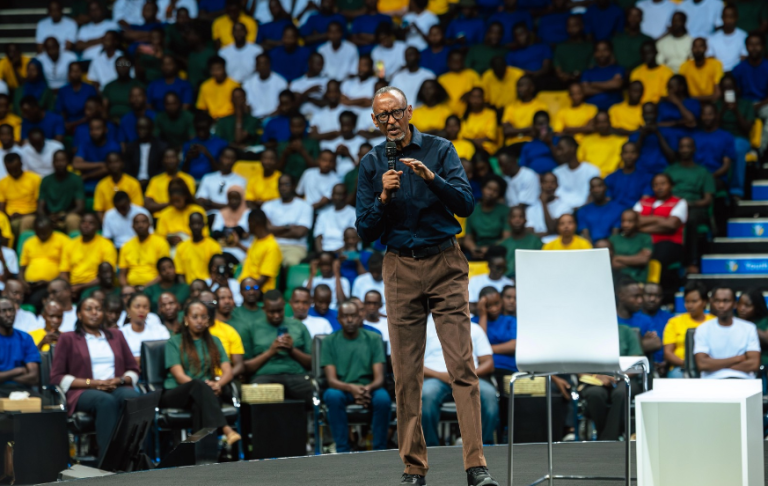
The inaugural meeting gathered over 60 international delegates and business leaders, including representatives from 35 countries. African nations represented included Djibouti, Kenya, Lesotho, Uganda, and others.
The event featured representation from UN agencies, including UNDP Administrator De Croo, and officials from the World Bank and IMF. Senior representatives from major U.S. companies like Bank of America, Exxon, Goldman Sachs, Google, JPMorgan, Palantir, Walmart, and Microsoft were also in attendance.
Ambassador Waltz announced that the launch will be followed by a series of regional events, starting with the Western Hemisphere, focused on lowering barriers to capital and investment, and driving Foreign Direct Investment (FDI). Under Secretary of Commerce for International Trade William Kimmitt closed the opening remarks, sending a clear message that the United States is serious about making this transition to a trade- and investment-led development model.
More information on the initiative can be found on the Mission to the UN website.