





WASHINGTON — Three Republican members of Congress have urged Treasury Secretary Scott Bessent to reconsider U.S. sanctions targeting Rwanda’s defence institutions, arguing that one-sided pressure risks undermining the Washington Accords for Peace and Prosperity signed in December 2025.
In a letter dated November 16, 2026, Representatives Joe Wilson of South Carolina and Ryan K. Zinke of Montana, along with Senator Mike Rounds of South Dakota, wrote that recent sanctions “are handicapping one party, while leaving the other party to the agreement emboldened to pursue a military solution rather than implement the peace agreement.”
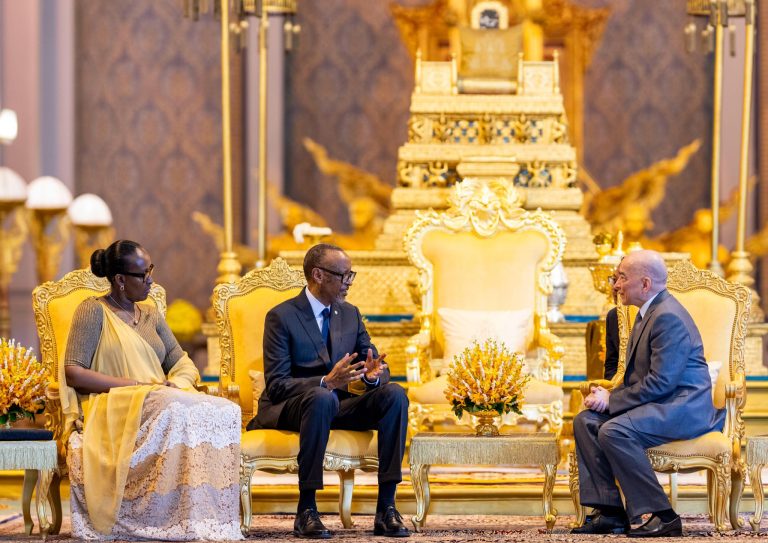
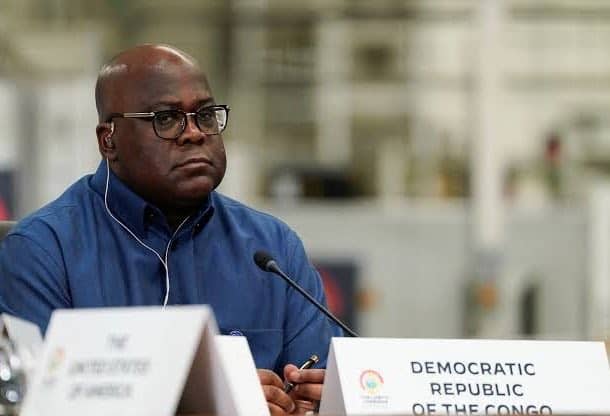
They called for equal consideration of both governments’ commitments under the accords, which were signed by Democratic Republic of Congo (DRC) President Félix Tshisekedi and Rwandan President Paul Kagame in a ceremony hosted by President Donald Trump.
Wilson reinforced the message on X, saying he was working with Zinke and Rounds to urge the Treasury secretary to reevaluate sanctions on Rwanda and hold the DRC to the same standards under the accords.
Background of the accords and conflict
The Washington Accords reaffirm earlier agreements, including a June 2025 peace agreement, and incorporate a Regional Economic Integration Framework aimed at boosting trade, investment and transparency in critical-minerals supply chains in the Great Lakes region.
The framework is of strategic interest to the United States, which seeks greater access to Congolese cobalt, copper and other minerals while promoting regional stability. Bilateral U.S. deals with both countries were signed alongside the accords.
The underlying conflict in eastern DRC has persisted for decades. The March 23 Movement (M23), a U.S.- and UN-designated armed group, seized significant territory, including Goma and Bukavu, in early 2025.
UN experts and the U.S. government have assessed that Rwanda provides military support to M23, allegations Kigali denies. Rwanda has described its security posture as defensive measures against the Democratic Forces for the Liberation of Rwanda (FDLR), an armed group with origins among forces responsible for the 1994 Genocide against the Tutsi.
The accords require reciprocal steps: the DRC to neutralise the FDLR and Rwanda to disengage forces and lift defensive measures. Implementation has lagged, with both sides accusing the other of non-compliance. Fighting has continued in North and South Kivu, while parallel talks under Qatari mediation have made limited progress.
U.S. sanctions and administration position
On March 2, 2026, the Treasury’s Office of Foreign Assets Control sanctioned the RDF and four senior commanders. On October 28, 2026, it designated the Rwandan Ministry of Defence and Zigama Credit and Savings Society.
The Treasury accused the ministry of directing RDF operations alongside M23, supplying weapons and facilitating logistics and training. Zigama was linked by U.S. authorities to financial transactions supporting M23 and the Congo River Alliance, as well as the movement of gold from rebel-controlled areas. Secretary Bessent said the measures were intended to hold Rwanda accountable for its commitments under the accords.
Separately, the Trump administration notified Congress of its intention to suspend Rwanda and South Africa from the African Growth and Opportunity Act preferential trade programme effective January 1, 2027, citing concerns including the eastern DRC conflict, human rights, rule of law and trade barriers.
Arguments in the letter and regional reactions
The lawmakers’ letter praises Trump’s diplomatic leadership and points to Rwanda’s stated readiness to disengage forces in coordination with DRC actions, as well as its participation in joint security mechanisms. It emphasises that neutralising the FDLR remains an essential component of the accords and a critical element of durable peace.
Congolese officials and commentators have rejected the call for balanced sanctions, arguing that Rwanda’s alleged military involvement and support for M23 cannot be equated with the DRC’s position as the host of foreign-backed fighters. They say troop withdrawal and an end to support for armed groups are non-negotiable under the accords and international norms of sovereignty.
Some observers have also pointed to foreign lobbying activity registered under U.S. law as context for the letter. Foreign lobbying is legal in the United States when disclosure requirements are met.
Rwandan perspectives and supportive outlets have welcomed the lawmakers’ intervention, arguing that continued pressure solely on Kigali overlooks mutual obligations and risks weakening incentives for both parties to implement the agreement.
Stakes ahead
Nearly a year after the Washington signing, the core dispute over sequencing — FDLR neutralisation versus Rwandan disengagement — remains unresolved. The Joint Security Coordination Mechanism continues to meet, but progress has been incremental.
For American audiences, the episode highlights tensions between enforcing peace agreements, securing critical-mineral supply chains and managing congressional views on sanctions. For the region, it underscores the difficulty of translating high-level diplomatic frameworks into lasting reductions in violence in eastern Congo, where civilians continue to bear the costs of protracted conflict.
Implementation will depend on whether the parties can agree on verifiable standards for their respective security commitments and whether external pressure from the United States, regional actors and mediators can help break the current impasse.